Rebrand vs. Brand Refresh: How to Decide What Your Business Needs

One day, your brand just starts feeling off.
It’s not that your logo suddenly looks bad or your website has stopped working, but your business has changed. You've expanded your product, entered a new market, raised funding, or started attracting a different type of customer. The brand that got you here no longer feels like the brand that will take you where you're going.
So, does your company need a brand refresh, or is it time for a full rebrand?
These terms are often used interchangeably, but they actually solve very different problems. In this guide, we'll explain the difference, show you how to determine which approach your business needs, and share real examples.
Looking for a brand update but not sure whether you need a rebrand or refresh? We help startups and B2B companies identify the right path for growth. Get in touch to discuss your project.
What Is the Difference Between a Brand Refresh and a Rebrand?
Both a brand refresh and a rebrand can help your business evolve, but they differ in scope.
A refresh modernizes your brand while building on the identity and strategy you've already built. A rebrand, on the other hand, is a transformation that fundamentally rethinks how your company is positioned and presented.
Understanding this distinction can help you invest in the right solution, as opposed to making changes that don't actually address the underlying problem.
Brand Refresh: Modernize Without Starting Over
A brand refresh refines your company's visual identity and messaging without changing who you are as a business. It makes your brand feel more current and aligned with your company while maintaining the same recognition and trust.
A brand refresh might include updating your:
- Logo
- Color palette
- Typography
- Website
- Photography or illustrations
- Brand messaging and tone of voice
What it doesn't change is your underlying brand strategy. Your mission, positioning, target audience, and value proposition remain largely the same.
A refresh is typically the right choice when your brand feels dated, inconsistent, or no longer reflects the quality of your product or service—but the fundamentals of your business haven't changed.
Rebrand: Build a New Foundation
A rebrand goes beyond visual updates. It involves a shift in strategy: redefining how your company positions itself in the market and then translating that strategy into a new identity.
Depending on your goals, a rebrand may include a new:
- Brand positioning
- Value proposition
- Brand story
- Visual identity
- Website
- Brand architecture
- Company name (in some cases)
Companies typically pursue a rebrand after they’ve undergone significant business changes, such as entering a new market, altering their business model, merging with another company, or repositioning themselves to reach a new audience.
Even though a rebrand usually results in a new visual identity, the visuals are merely the outcome of a broader brand development process rooted in strategy.
Brand Refresh vs. Rebrand: What’s Your Verdict?
The difference between a brand refresh and a rebrand isn't always obvious. Two companies might both unveil a new logo or website, but the reasons behind those changes can be completely different.
Now let's see what this looks like in practice. Before reading the verdict for each example below, take a guess. Would you classify it as a brand refresh or a rebrand?
Slack
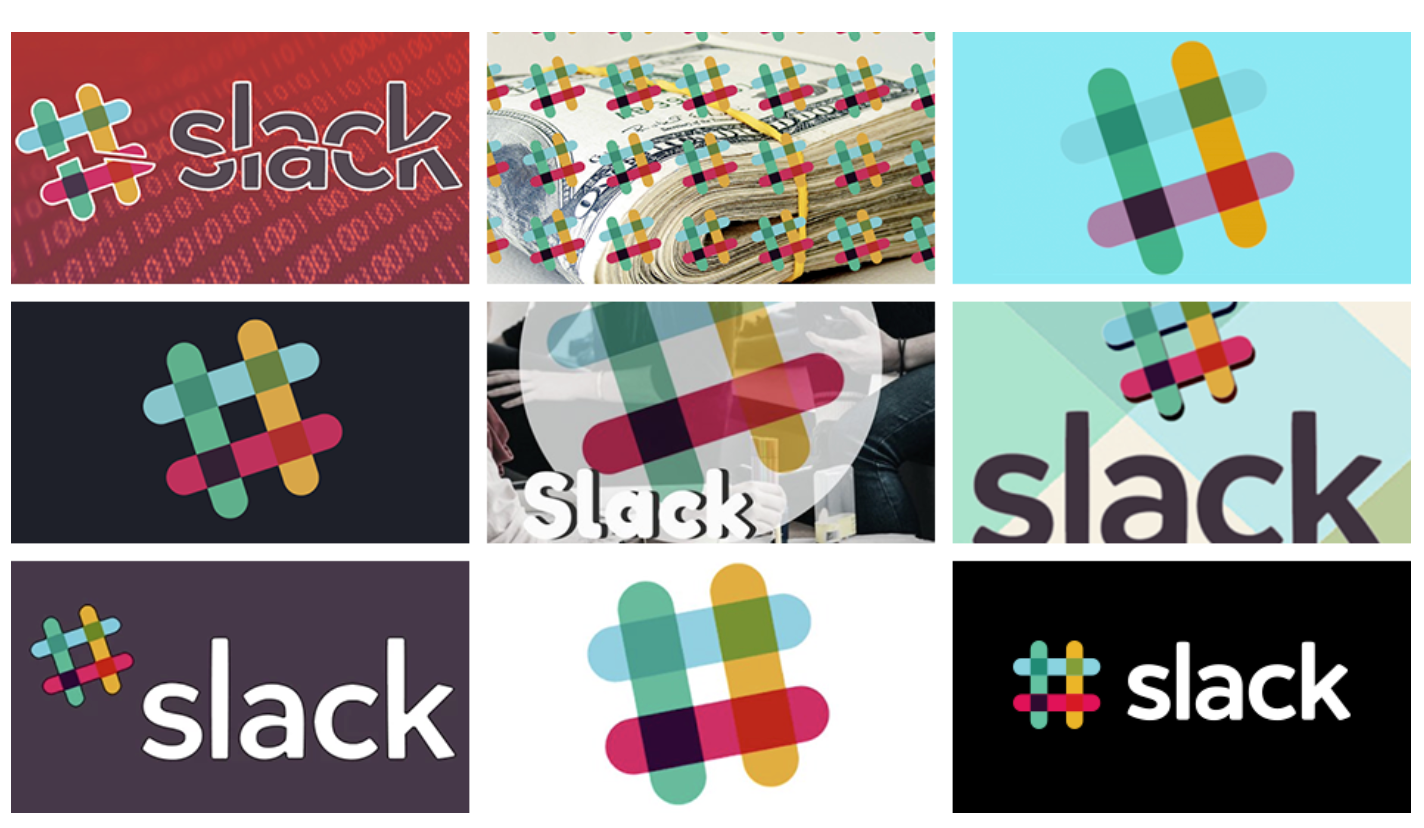
Slack's original logo was unique, but with 11 different colors, it was difficult to use consistently across various applications and marketing materials. As the work communication company grew, its brand system became fragmented, with multiple logo variations and inconsistent visuals.
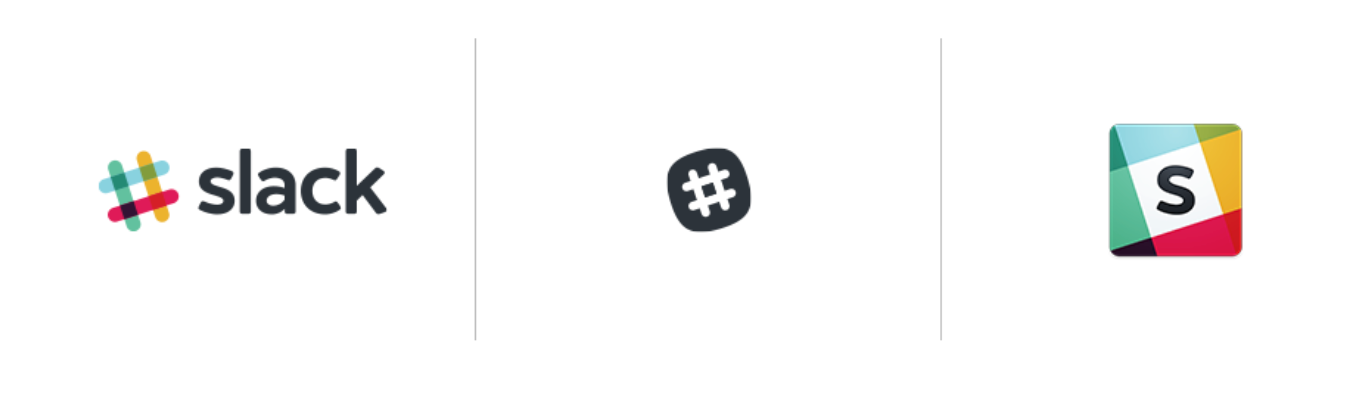
In 2019, Slack introduced a simpler logo with just four colors.
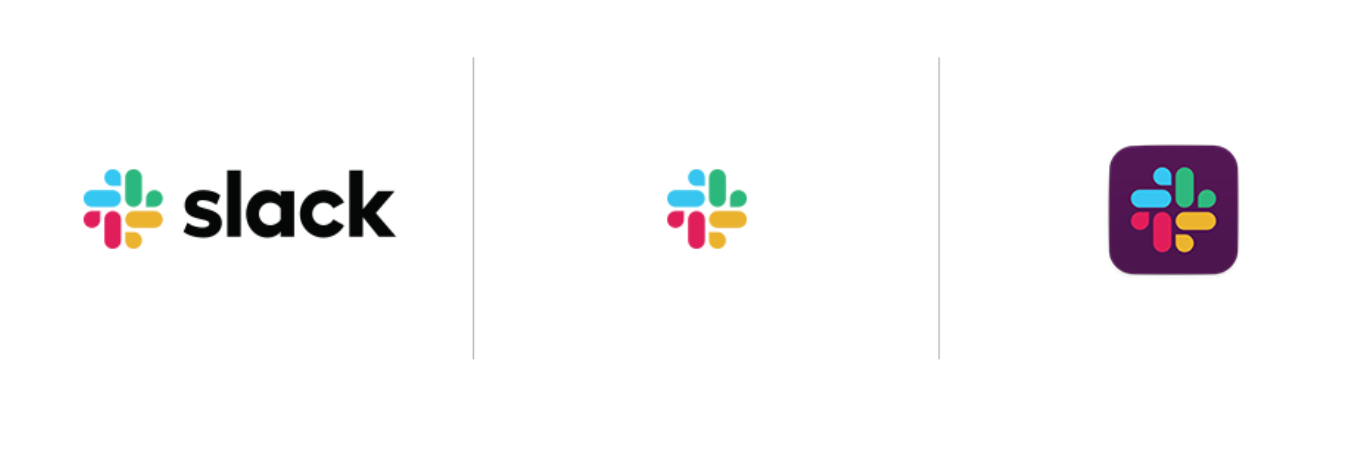
The Verdict: Brand Refresh
Slack updated how the brand looked without changing who the company was or what it stood for.
Strange Loop Labs
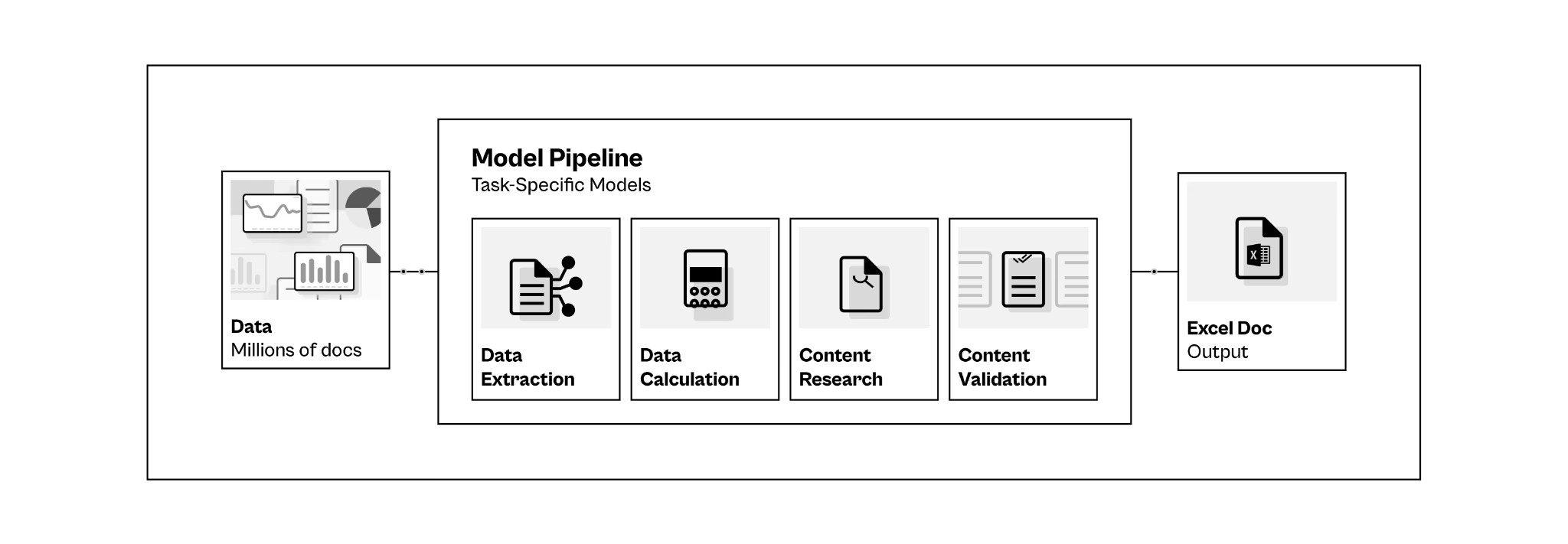
When Strange Loop Labs, a company that builds custom AI systems, partnered with Klimt & Design, it wanted to separate itself from the vast sea of AI brands using predictable design tropes. Rather than polishing its existing visual identity, Strange Loop wanted to completely revamp it to look more like a publishing imprint than a tech startup.
Our team developed a new brand system, based on the concept of the “strange loop,” that reflected the company's philosophy and positioned it differently within the AI space.

The Verdict: Rebrand
The project established a new strategic identity and market positioning, not just a new visual style.
Mailchimp
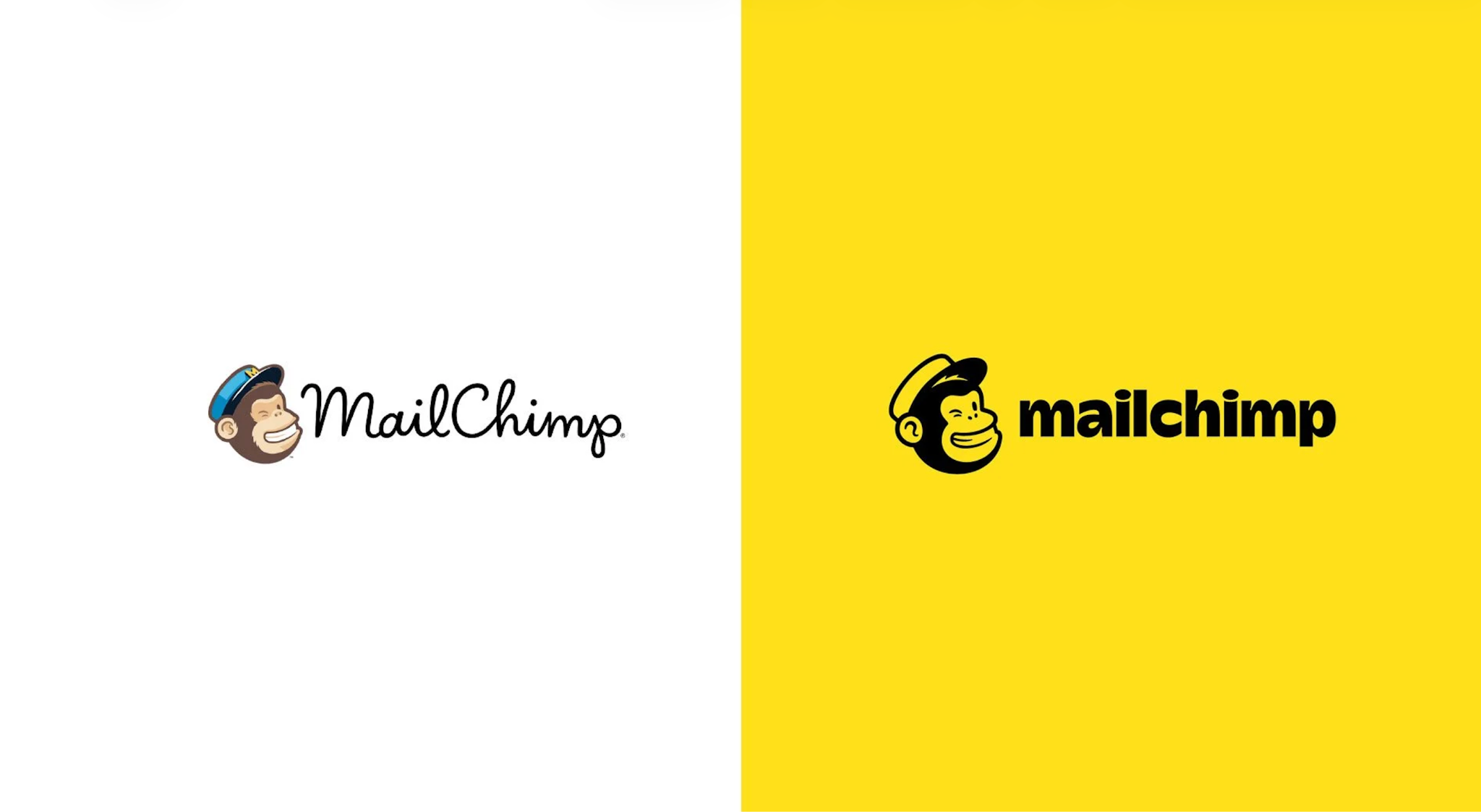
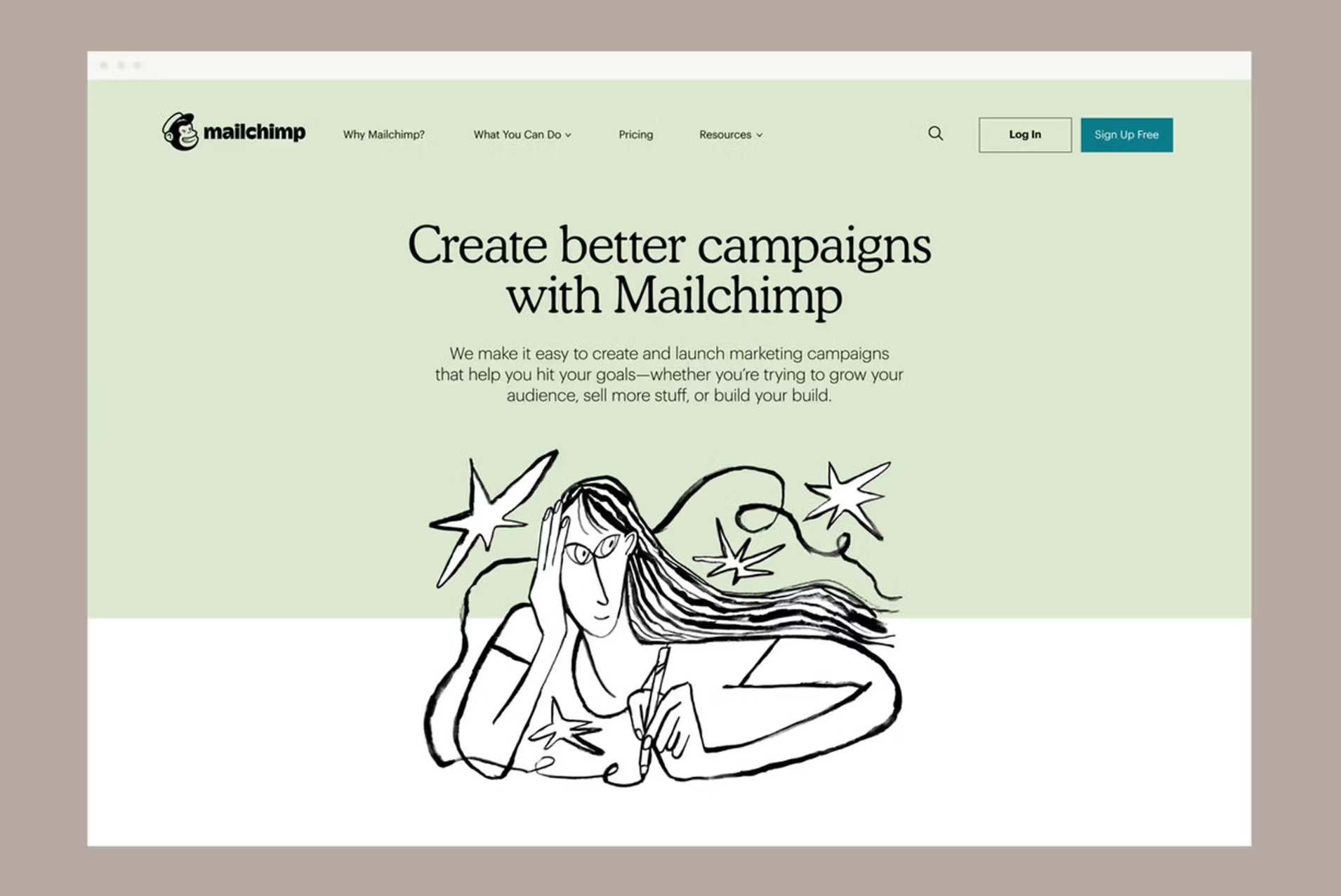
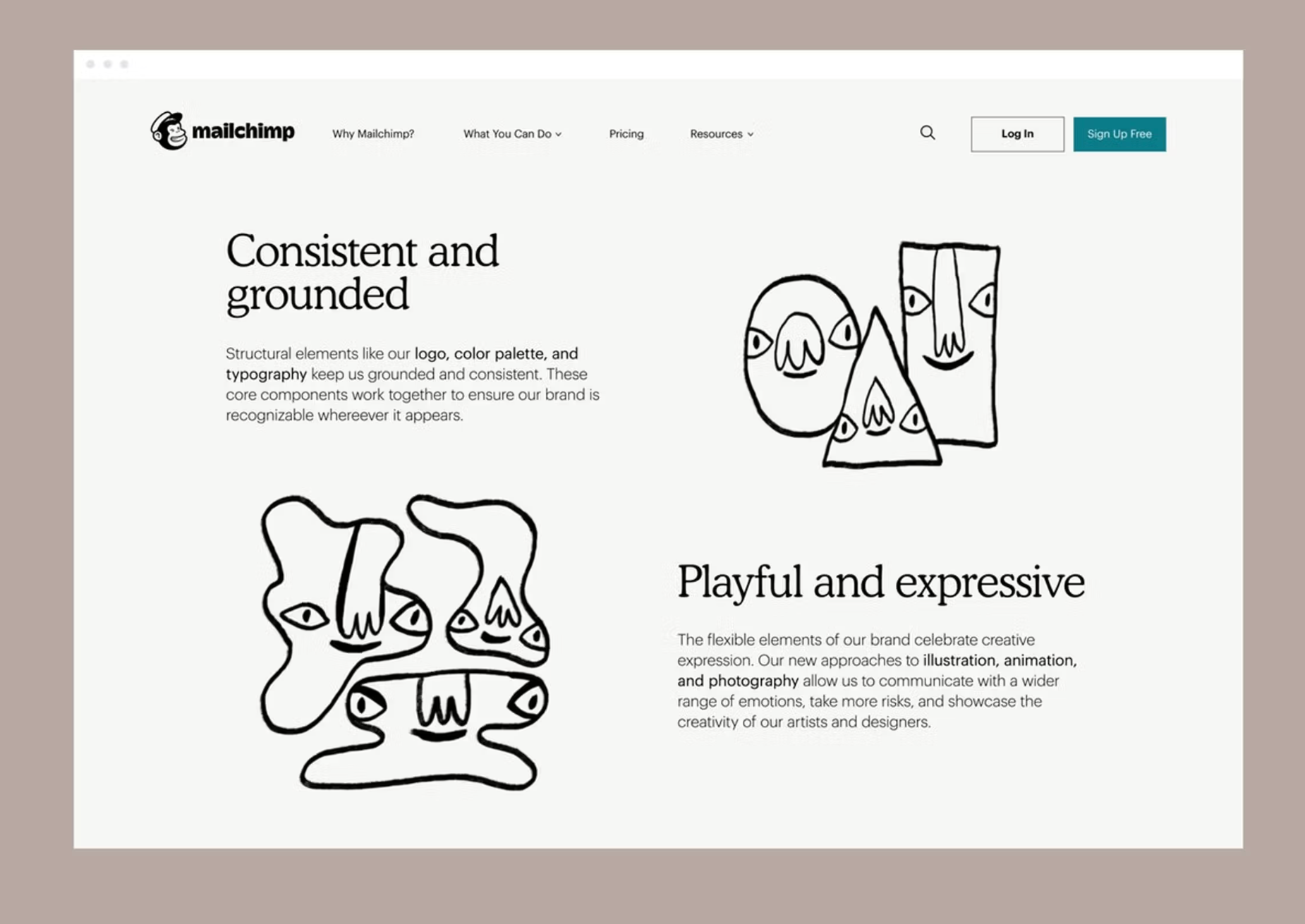
As Mailchimp expanded beyond email marketing, the company realized its visual identity no longer reflected the experience it wanted customers to have. Besides tweaking its name from “MailChimp” to “Mailchimp” in 2018, it introduced a new logo, typography, color palette, and illustration style across every customer touchpoint to create a more cohesive brand system.
Source: Studio Eighty Seven
Throughout the process, Mailchimp emphasized retaining the personality and heritage that had defined the brand.

Source: Collins
The Verdict: Brand Refresh
Mailchimp changed how the brand was expressed, but not the foundation of the brand itself.
Zendesk
Zendesk reached a point where its existing brand no longer reflected where it was as a business. Though its bright green color palette and trademark mascot, a Buddha wearing a headset, set the company apart early on, it didn’t quite suit Zendesk’s expanded products and services.
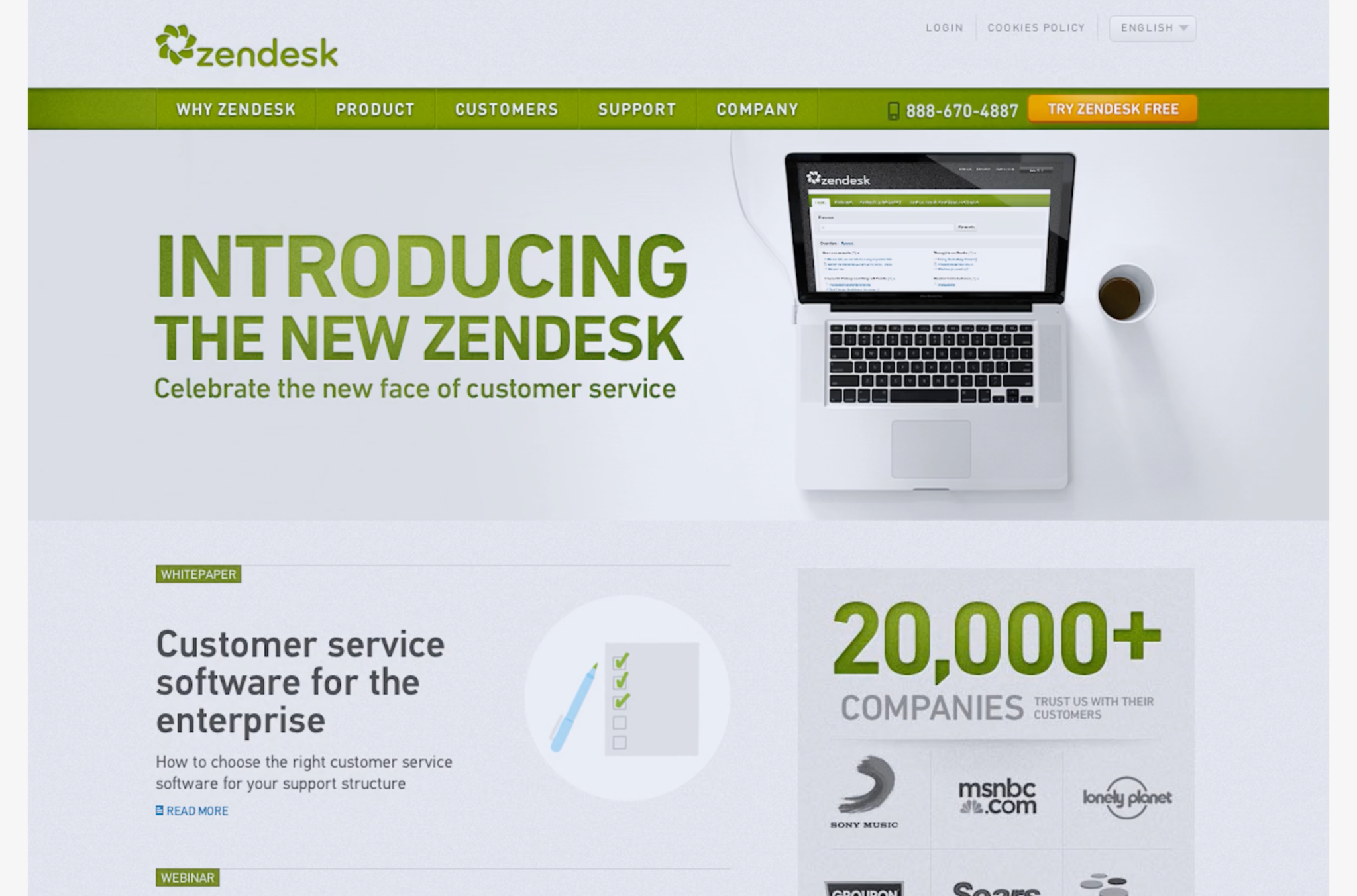
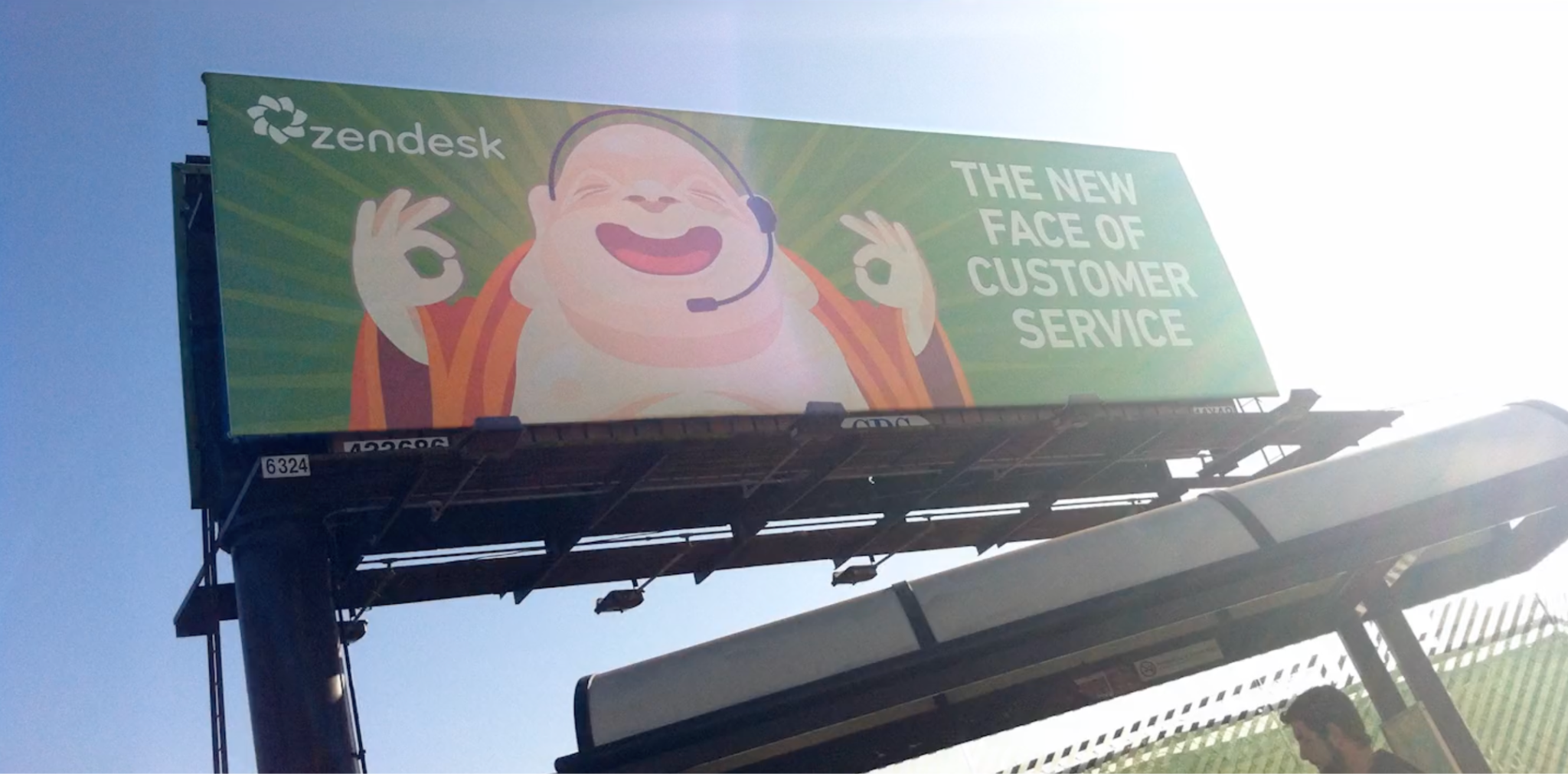
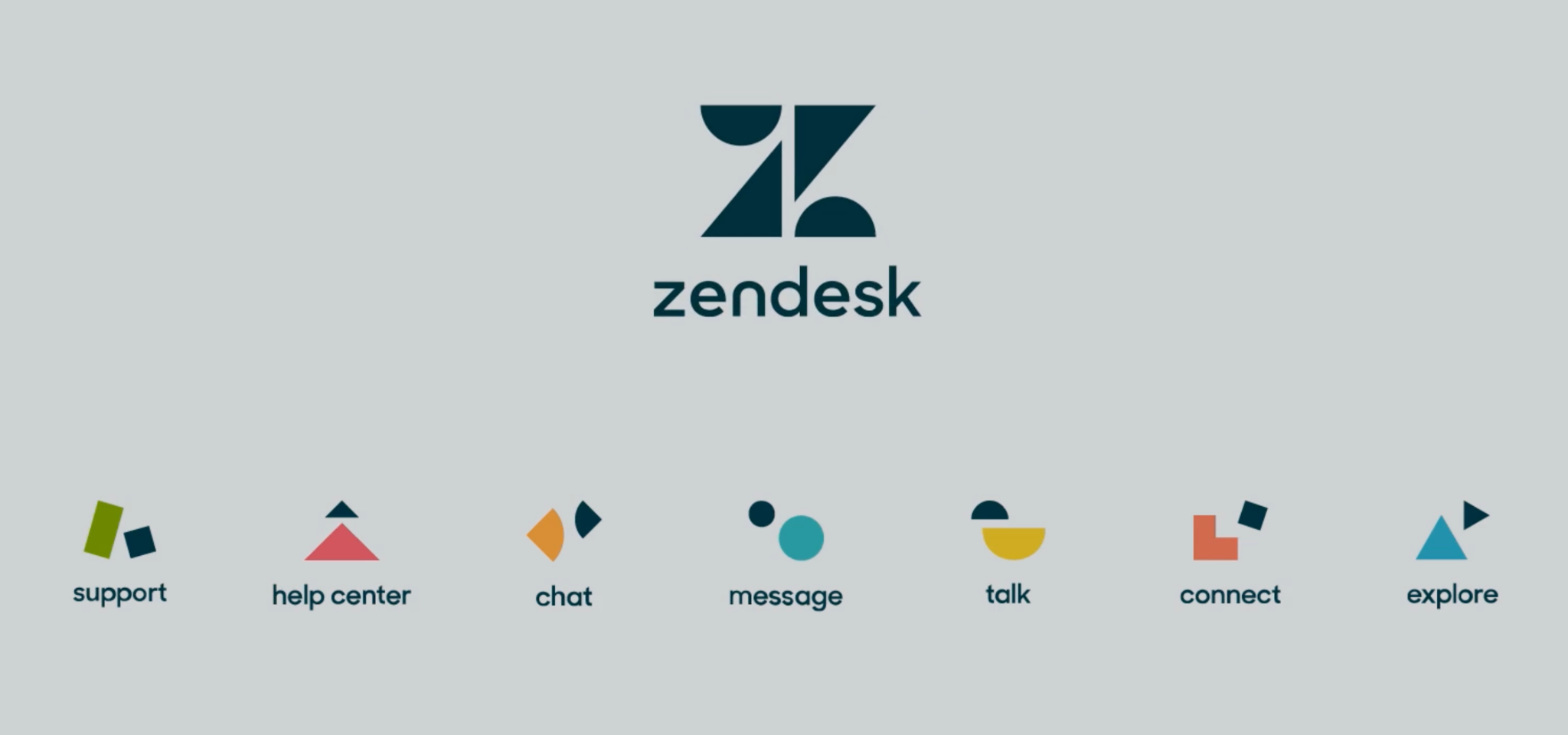
In 2016, the SaaS company introduced a new visual identity with an expanded color palette, individual product identities, and a new logomark. It also shifted its storytelling to focus more broadly on the relationships between businesses and their customers, reflecting how the company had grown since its early days.
The Verdict: Rebrand
The changes went beyond the visual identity, redefining how Zendesk wanted customers to understand the company and what it represented.
Pantera
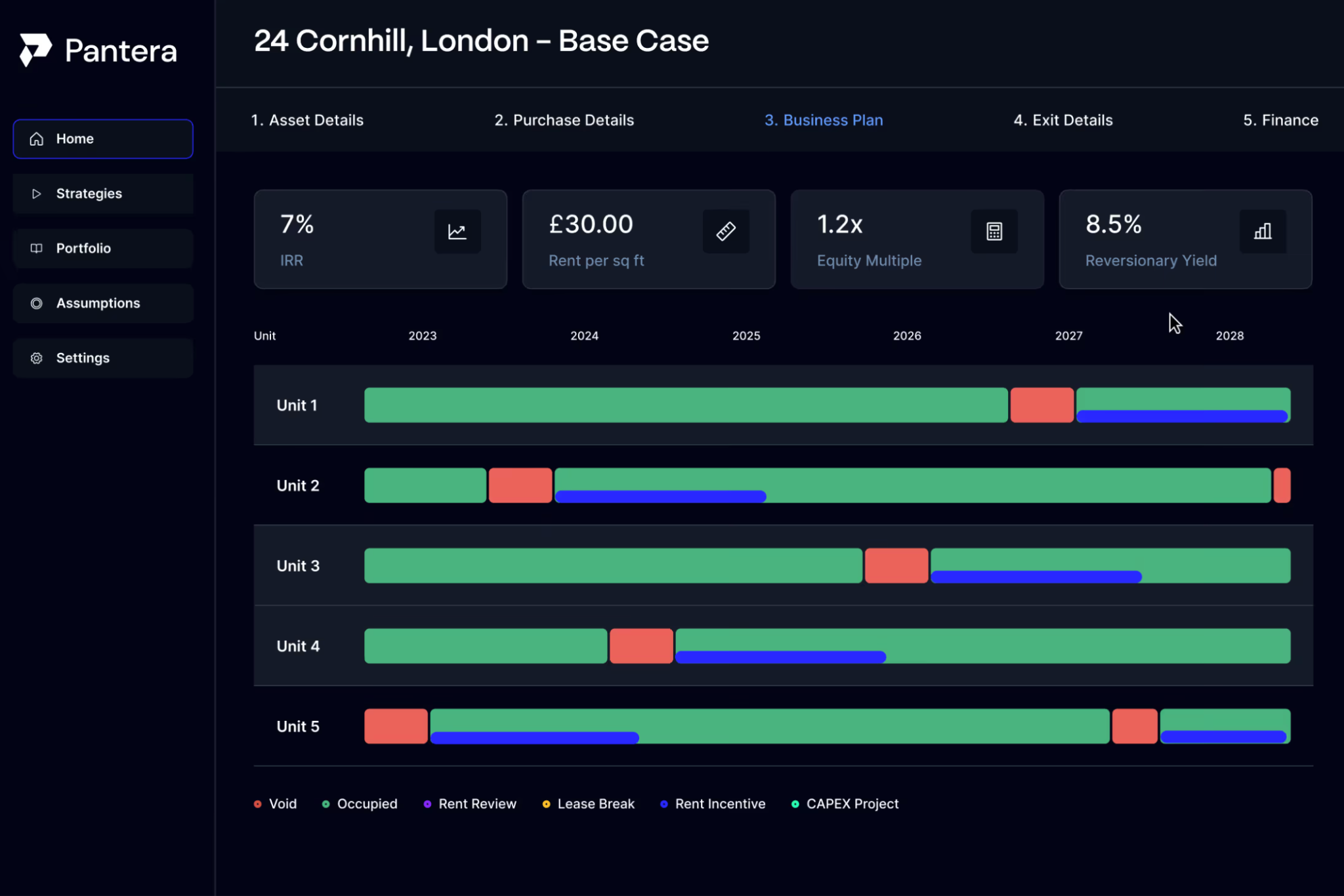
Pantera, an investment modeling software for the UK property sector, already had a clear product and audience, but its brand and website didn't fully communicate the platform's value. Klimt & Design upgraded the company's identity with a distinctive dark-mode visual language, simplified the website narrative, and clarified messaging for its two primary audiences. This created a more unified brand experience.
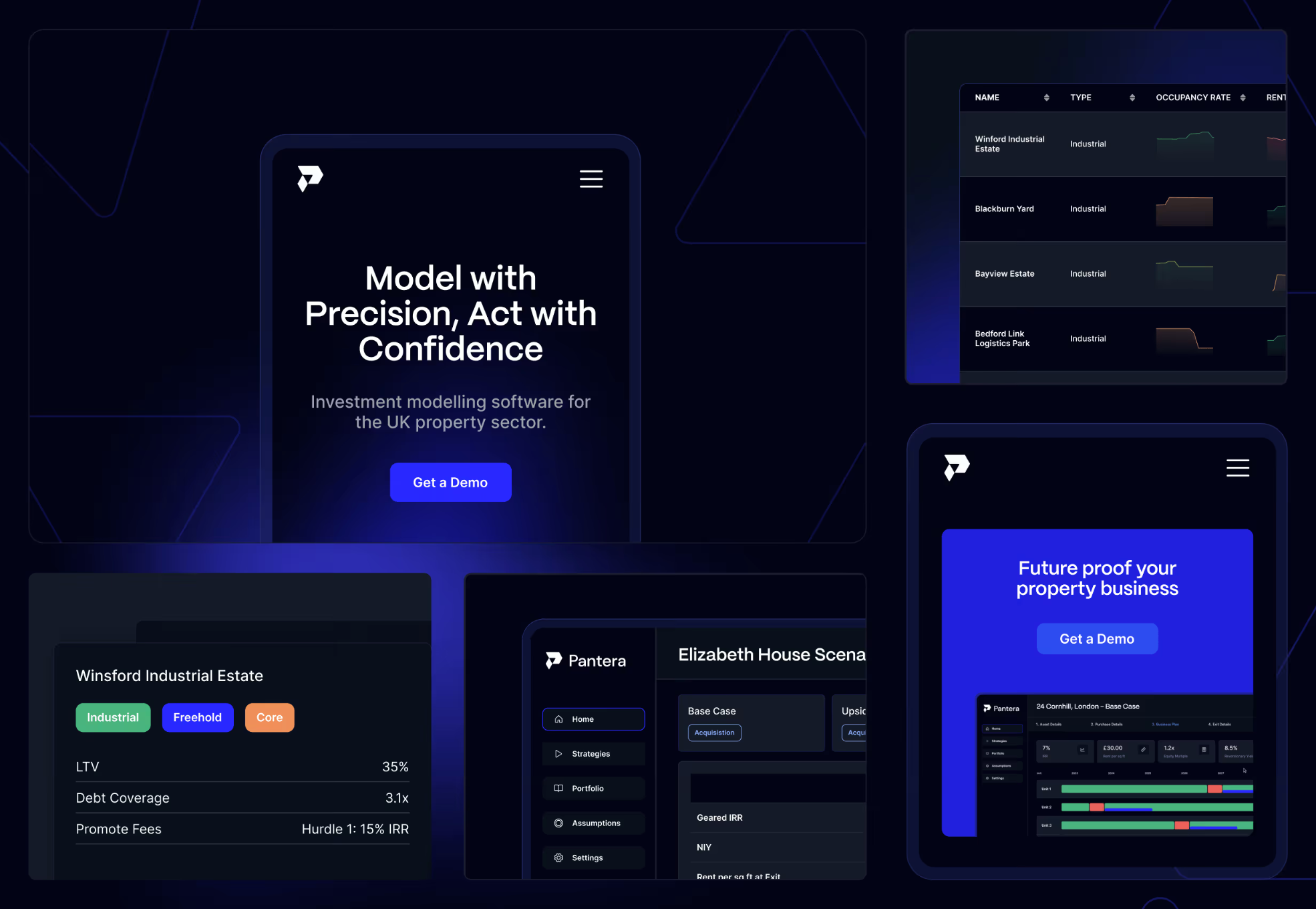
The Verdict: Brand Refresh
The business stayed the same; the refresh simply helped Pantera communicate its value more effectively.
Asana
Asana had grown rapidly and felt that its brand no longer represented who the company had become. As the company’s designer Micah Daigle put it:
“Our logo was uninspired: an ‘a’ followed by a three-dots symbolizing… enumeration? List items? Alignment? (Nobody’s exactly sure.) Our color scheme was a drab blue and grey (self-deprecatingly referred to as ‘rainy day theme’ ☔️). Our writing often lacked the humor and humility that were so abundant in our team. Even the images we featured of real Asana employees somehow managed to look like stock photos!”
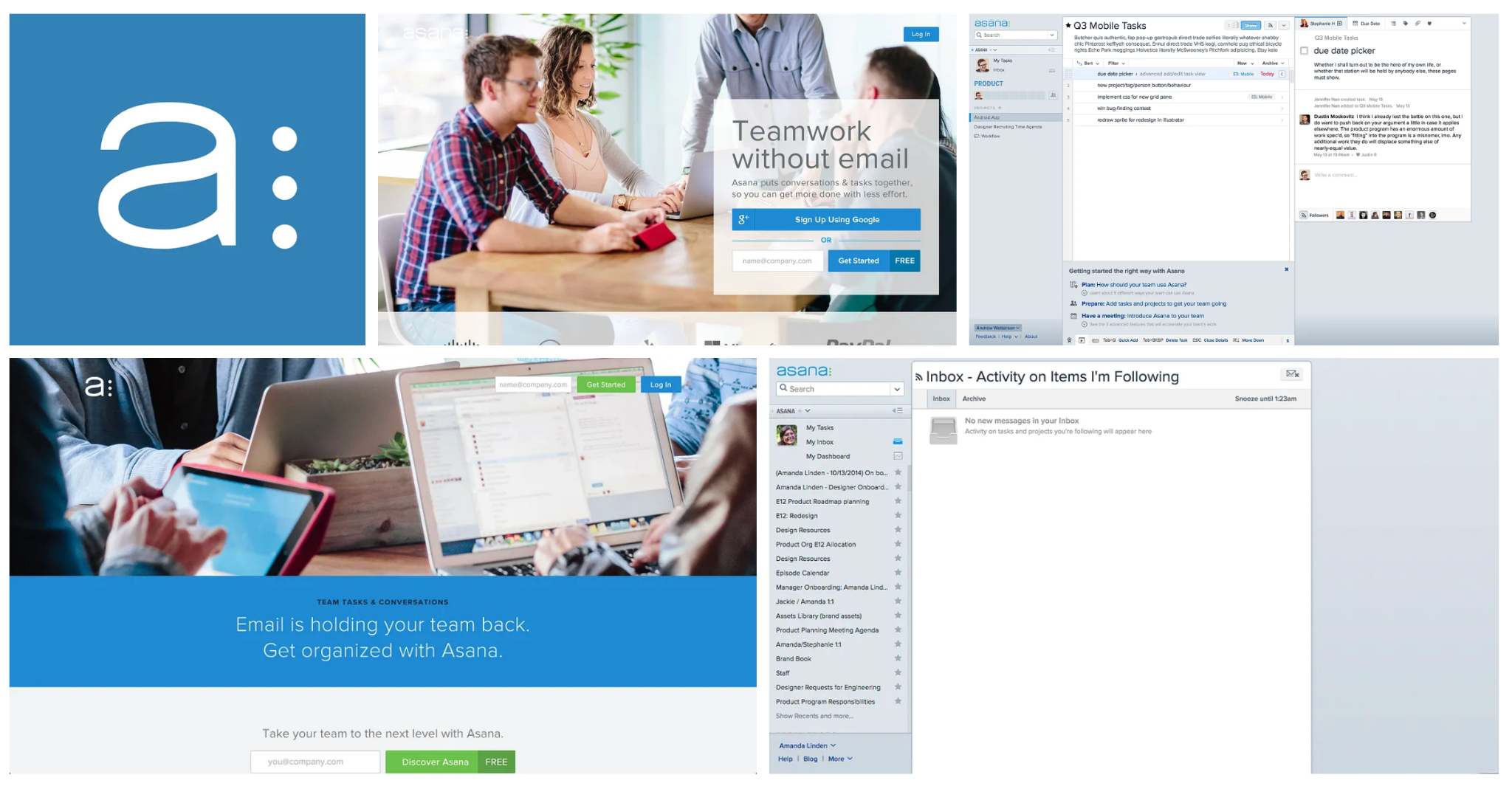
Before redesigning the visual identity, Asana’s team defined a set of brand attributes to guide everything from the logo to the broader design system. The new identity was rolled out in 2015 across the product, website, and other customer touchpoints.
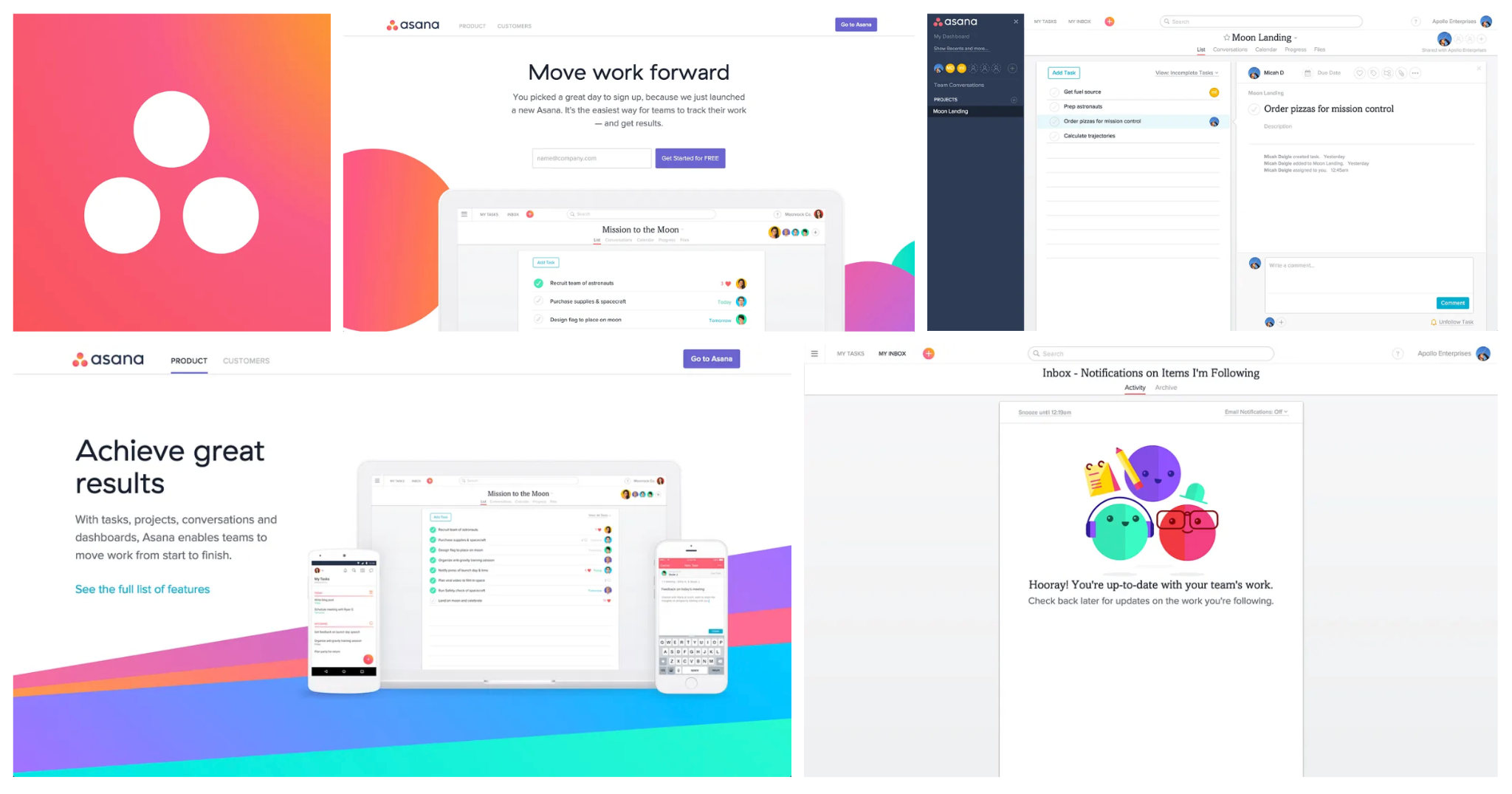
The Verdict: Rebrand
The project transformed how Asana presented and positioned itself, with a brighter color palette and more quirky character that did not previously exist.
Opal Ventures
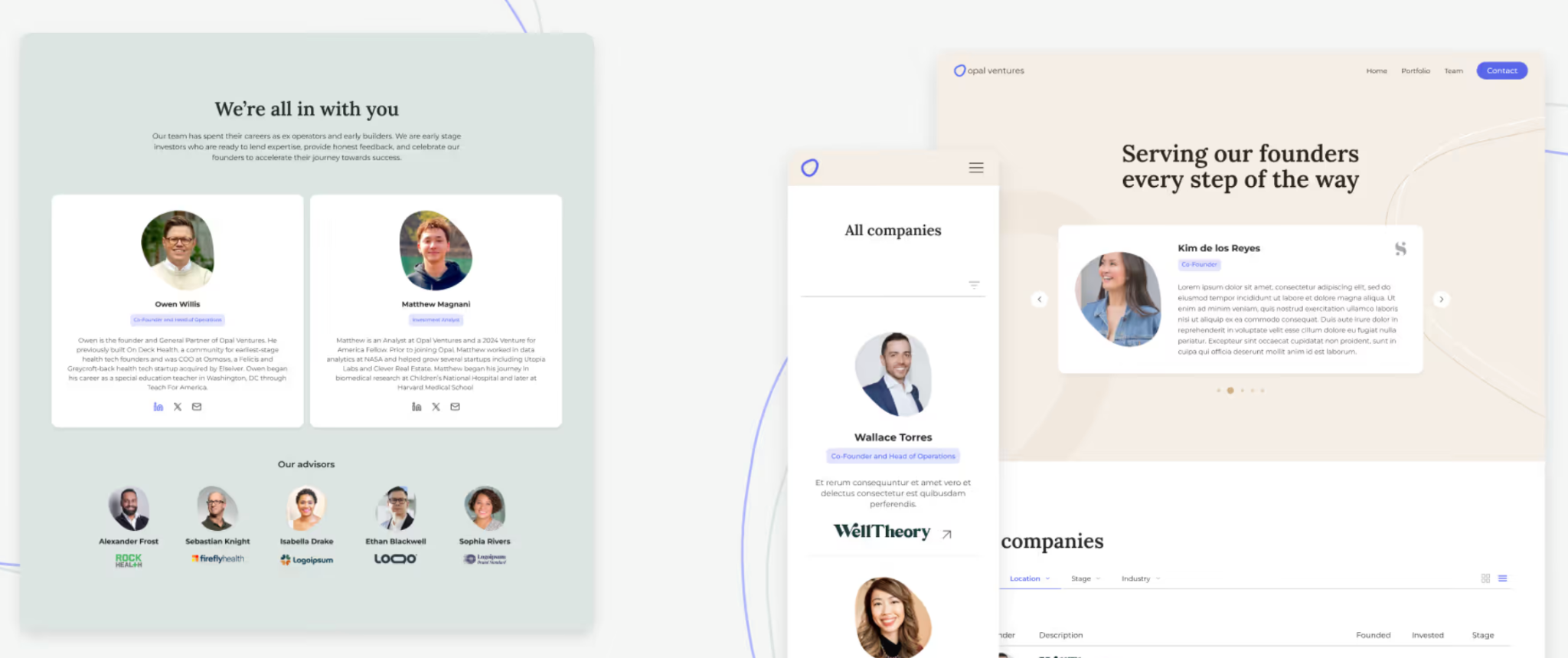
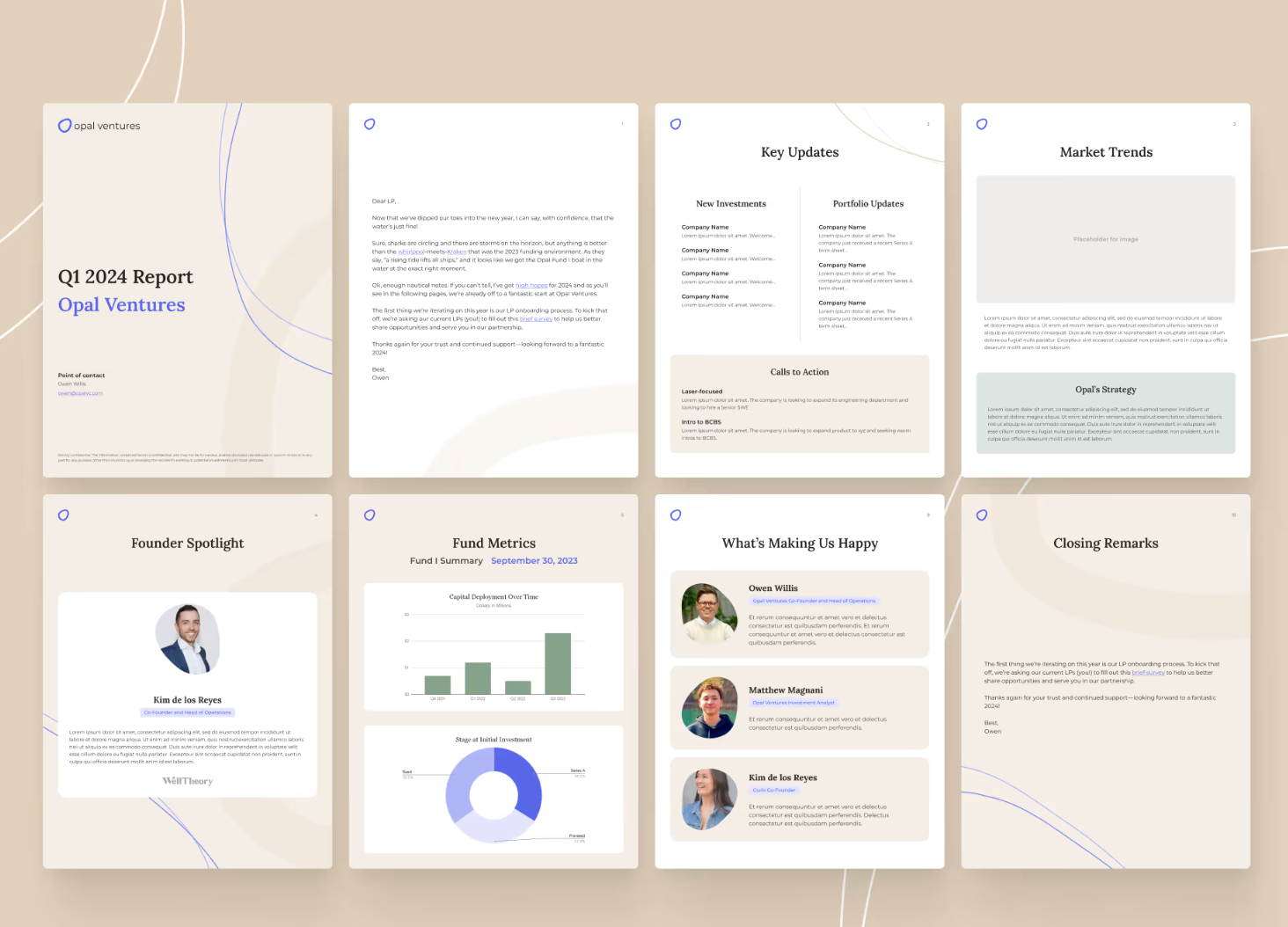
When Klimt & Design worked with Opal Ventures, a venture fund for early-stage healthcare founders, it already had a compelling investment philosophy, but its brand wasn’t communicating what made the firm different.
Our team developed a new visual identity, redesigned the website, and created investor materials that better reflected Opal's community-driven approach. Following the launch, the fund saw significantly stronger inbound founder interest and more qualified conversations.
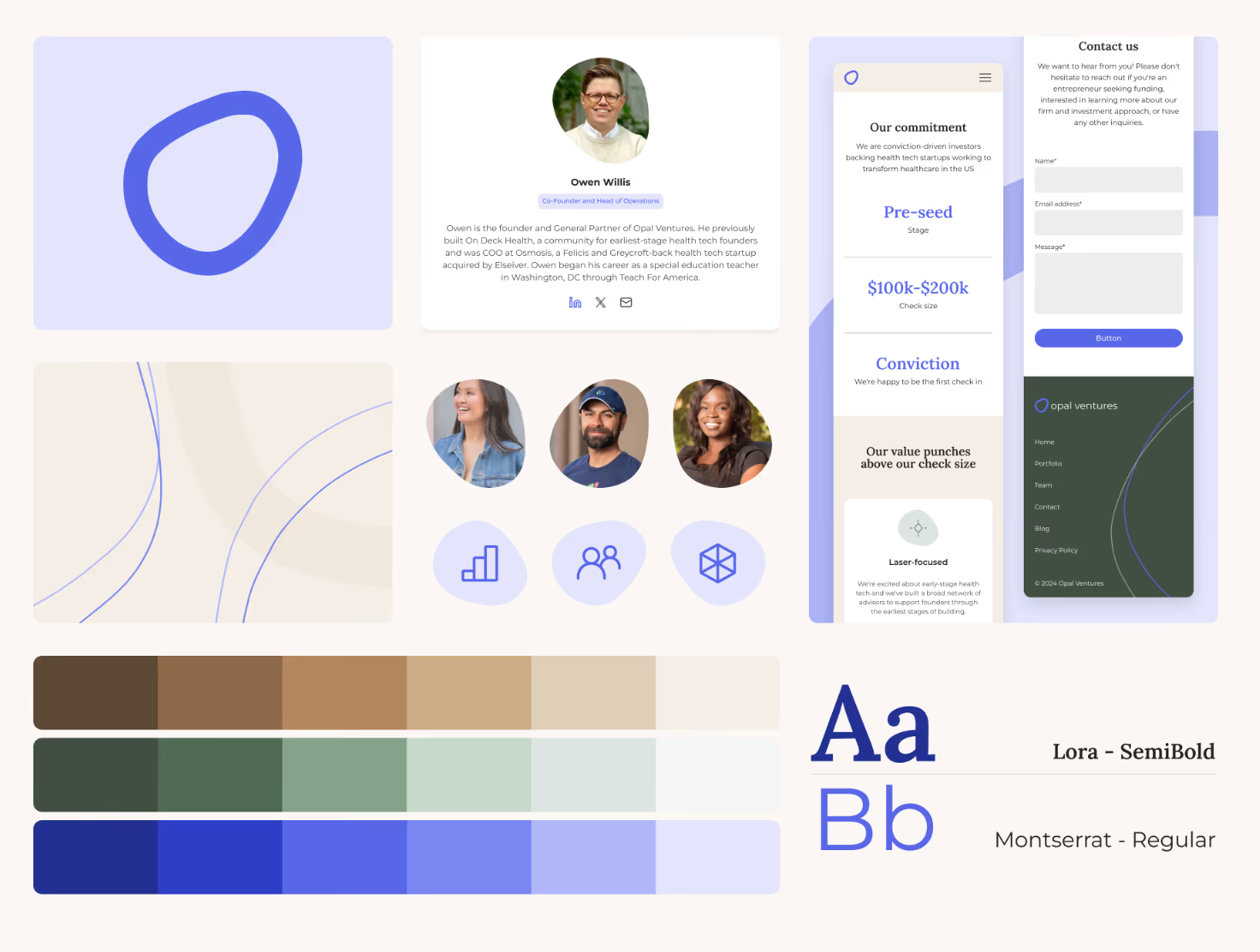
The Verdict: Brand Refresh
The project strengthened how Opal Ventures expressed the vision it already had, but didn’t change its positioning.
5 Questions To Help You Decide Between a Brand Refresh or a Rebrand
All businesses grow and evolve, but not every business needs a rebrand. You should understand if the problem lies with how your brand looks, what it communicates, or whether it reflects your business at all.
Before investing in a new identity, ask yourself these five questions.
1. What Does the Data Tell You?
Look for evidence that something isn't working. Review your customer feedback, sales conversations, website analytics, brand perception surveys, and internal stakeholder input.
- Are customers confused about what you offer?
- Are you struggling to attract the right clients?
- Has your positioning become unclear?
Your branding decisions should be founded on research, not assumptions.
2. Has Your Business Fundamentally Changed?
If you've entered a new market, shifted your business model, expanded your product offering, merged with another company, or started targeting a different audience, your current brand may no longer tell the right story.
These kinds of major strategic changes tend to call for a rebrand.
3. Does Your Strategy Still Fit, But Your Presentation Doesn't?
In some cases, the business is exactly where it needs to be, but the brand hasn't kept up. This might look like an outdated website, an inconsistent visual identity, or disconnected messaging that no longer reflects the quality of your product, making it harder to build strong brand recognition.
Companies with consistent branding can increase their revenue by up to 33%, making consistency a worthwhile investment. But that doesn’t always call for a rebrand.
If your strategy is sound but your brand is creating the wrong first impression, a brand refresh may be all you need.
4. Is Your Brand Helping You Stand Out?
If your brand looks and sounds like everyone else in your category, it may be difficult for prospects to understand why they should choose you. But don't assume the solution is automatically a rebrand.
Ask whether the issue is your positioning, your messaging, or simply how you're communicating your value. You might simply need clearer messaging or a stronger visual identity through a brand refresh.
But there are times when you have to rethink your positioning altogether to communicate your value more effectively. A brand refresh might not be sufficient for these cases.
5. Is Your Brand Built for Your Next Stage of Growth?
Your brand should support where your business is headed. If you're preparing for fundraising, moving upmarket, entering a new industry, or expanding internationally, ask whether your brand can credibly support those ambitions.
If you're communicating the same business to the same audience but need a more polished, consistent presence, a brand refresh may be all you need. If your next stage involves a new direction, audience, or positioning, it's likely time for a rebrand.
Your Brand Should Reflect Where Your Business Is Going
To decide between a brand refresh and a rebrand, you should ultimately choose the approach that best supports your business and its growth. When you start with a clear understanding of your goals, audience, and positioning, the right approach becomes easier to see.
At Klimt & Design, we partner with startups, venture funds, and growing B2B companies to build brands that drive long-term growth by either evolving an existing identity or creating something entirely new. If you're deciding between a brand refresh and a rebrand, we'd love to help you determine the right path for your business. Get in touch to start the conversation.
Sign up for our newsletter
Related stories

The First Ask Is Not Always the Real Need
When a project’s needs change, our role is to help connect the dots.
Two Acquisitions, One Year Later: What We’ve Learned
Acquiring two agencies meant getting a closer look at how different organizations run—and revisiting our own processes.